
The quest for knowledge has always been at the core of human existence. Here at ThinkFives, we delve into the top scientific discoveries that have fundamentally transformed our understanding of the world and our place in the universe.
We “Ask AI ” three simple questions: What are the most significant discoveries in world history? Why? And what are its implications? Here are the Top 5 according to ChatGPT.


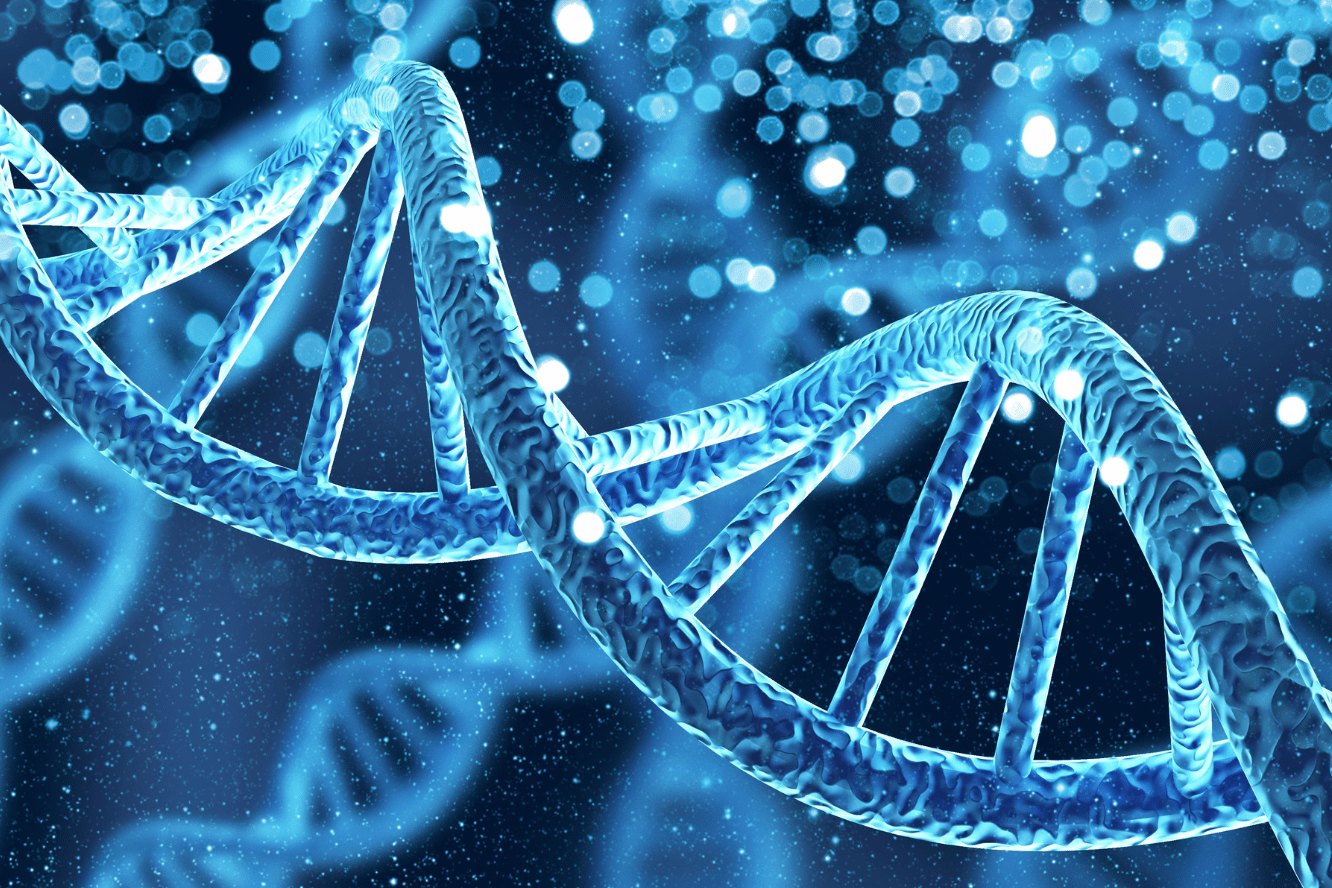
The Structure of DNA
Unraveling the Blueprint of Life: In 1953, James Watson and Francis Crick, building on the work of Rosalind Franklin and others, unveiled the double helix structure of DNA. This revelation was a groundbreaking moment in molecular biology.
Implications for Genetics and Medicine: Understanding DNA’s structure opened the door to decoding genetic information, paving the way for modern genetics. It’s the foundation of biotechnology, gene therapy, and a deeper understanding of evolutionary biology, impacting everything from forensic science to medical diagnostics.

Germ Theory of Disease
A Revolution in Medical Science: Propelled by the work of scientists like Louis Pasteur and Robert Koch in the 19th century, the germ theory of disease radically altered our approach to medicine. It replaced age-old misconceptions about disease with the understanding that microorganisms cause many diseases.

Foundation for Modern Medicine: This discovery led to improved sanitation, the development of vaccines and antibiotics, and a drastic reduction in deaths from infectious diseases. It’s foundational to public health policies and has saved countless lives, demonstrating the power of scientific inquiry in improving human health.


The Theory of Relativity
Einstein’s Radical Insight: Albert Einstein’s theory of relativity, encompassing both the special (1905) and general (1915) theories, revolutionized our understanding of space, time, and gravity. It introduced concepts like the curvature of spacetime and the relativity of simultaneity.
Impact on Modern Physics and Technology: Relativity has far-reaching implications, affecting everything from GPS satellite navigation to our understanding of black holes and the expansion of the universe. It challenged and expanded upon the Newtonian framework that had dominated physics for centuries.

The Laws of Thermodynamics
Fundamental Principles of Energy and Matter: Developed throughout the 19th century, the laws of thermodynamics are a series of principles governing the relationships between heat, energy, and work. They form the foundation for understanding how energy is transferred and conserved.

Wide-ranging Applications and Implications: These laws have profound implications across numerous fields, from engineering to cosmology, chemistry to biology. They inform our understanding of everything from the internal combustion engine to the life cycle of stars, influencing both practical technology and theoretical physics.


The Theory of Evolution by Natural Selection
Darwin’s Pioneering Theory: Charles Darwin’s theory of evolution by natural selection, introduced in his 1859 book ‘On the Origin of Species,’ radically changed our understanding of life on Earth. It proposed that species evolve over time through a process of natural selection.
Transforming Biological Sciences: This theory provided a unifying framework for the biological sciences, explaining the diversity of life and the adaptive changes organisms undergo. It has profound implications for fields like genetics, ecology, and conservation biology, fundamentally altering our perception of life and our place in the natural world.